Is Pet Insurance Worth It? Pros & Cons Every Owner Needs to Know (2026 Update)

In an era where the cost of living and medical technology continue to climb, a recurring question for pet parents is: "Is pet insurance actually worth it?" or is it better to simply set aside a personal emergency fund?
The true answer doesn't lie solely in the premium costs, but in the lifestyle and risk factors of your four-legged family members. This article dives deep into every dimension to help you decide if pet insurance is a "must-have" or a "wait-and-see" for your household.
Why Pet Insurance is a Major Trend in 2026
It’s no longer just a fad; it’s a shift in financial necessity:
Skyrocketing Medical Costs: Modern surgeries or treatments for complex conditions can now range from tens of thousands to hundreds of thousands of baht.
Emerging & Chronic Diseases: Pets are living longer, leading to higher instances of kidney disease, heart issues, or diabetes—all of which require long-term, continuous care.
Pet Humanization: Treating pets as true family members means owners demand the highest standards of medical care.
Pet Tech Integration: Seamless links between microchips and insurance policies make verifying rights and tracking health easier than ever.
The Benefits: Why Should You Have Pet Insurance?
Reduces Unexpected Financial Burdens
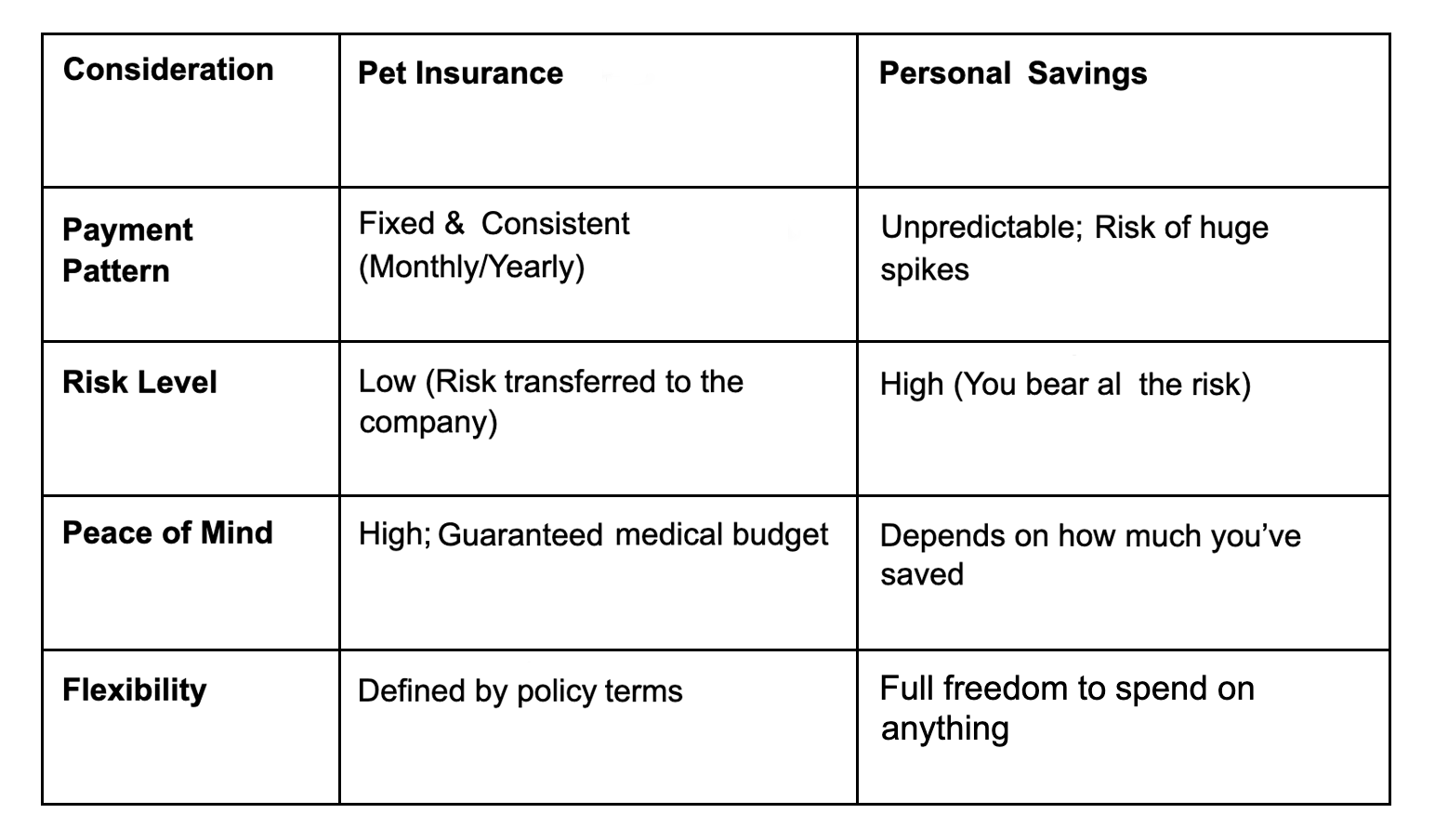
Accidents and serious illnesses never give a warning. Insurance ensures you aren't forced to choose between your "bank balance" and your "pet’s life," especially in emergency cases requiring surgery or hospitalization.Systematic Financial Planning
Paying monthly or annual premiums allows you to manage cash flow more predictably than having to pull a massive lump sum out of your savings at once.Access to Innovative Treatments
With insurance backing you, you can opt for advanced medical procedures or consult specialists immediately without being restricted by a tight budget.Comprehensive Risk Coverage
Most plans cover accidents, general illnesses, surgical costs, and room charges—the primary expenses that weigh heaviest on an owner's shoulders.
Caution: What Insurance Companies Might Not Tell You
Conditions and Exclusions: Most policies do not cover pre-existing conditions and have a waiting period before you can start filing claims.
Age-Dependent Premiums: The older the pet, the higher the premium. Some companies also have an age ceiling for new applicants.
Not 100% Comprehensive: Routine costs like annual vaccines, neutering/spaying, or general check-ups are usually excluded from basic coverage.
Reimbursement Systems: In many cases, owners still need to pay the medical bill upfront and submit documents to claim the money back later.
Clear contrast: Insurance vs. Personal Savings
Tips: How to Get the Best Value
Balance the Coverage Limit: Don't just hunt for the cheapest premium. If the coverage limit is too low, it won't suffice for actual major treatments.
Start Young: Lock in lower premiums and minimize "pre-existing condition" issues by insuring pets early.
Check Claim Ceilings: Be clear on whether there are limits per claim or a maximum number of claims per year.
Consider Microchip Plans: Beyond helping find a lost pet, many companies offer special discounts for microchipped animals.
Summary: Is it Worth It?
Pet insurance is "worth it for risk management" rather than being a financial investment for profit. If you view it as a "membership fee" for peace of mind and a life guarantee for your best friend, it is the best tool to ensure you can care for them fully when they are at their most vulnerable.
Remember: It is better to have insurance and not need it, than to need it and not have it.
🌐 Microchip Verification & Inquiries:
www.anyvetmicrochip.com
✨ Pet safety begins with attention to detail.
👉🏻[Click here to search for your pet’s information and log in]

Author